
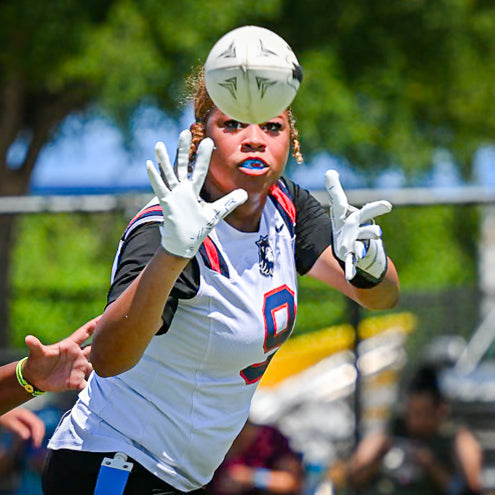
How to Start a Girls’ Flag Football Program at School | GT Sports
Girls’ flag football is creating new opportunities for students to compete, lead, and represent their schools. As participation grows, more athletic directors, coaches, teachers, and parents are asking the same question: What does it actually take to start a program?
The answer depends on your school and state, but the basic process is manageable. Start with a clear program model, prove student interest, build a realistic budget, and bring administrators a plan that already addresses staffing, safety, equipment, and competition.
Here is how to take a girls’ flag football program from an idea to opening kickoff.
1. Decide What Kind of Program You Are Starting
Before requesting approval, define what the first season should look like. Your school may be ready for a competitive varsity program, or it may need a smaller starting point.
Common options include:
-
A school club that practices and plays nearby schools
-
An intramural program for students at one campus
-
A short instructional clinic followed by scrimmages
-
A district pilot program with several campuses
-
A junior varsity or varsity team governed by the state athletic association
Starting as a club or pilot can give the school time to measure participation, train staff, establish a budget, and locate opponents. It can also create the results administrators want to see before committing to a full season.
Your proposal should identify the grade levels served, expected roster size, proposed season, number of practices, potential opponents, and whether the program will be competitive or developmental.
2. Measure Student Interest
Administrators will want evidence that students are ready to participate. Do not rely only on a few enthusiastic conversations. Create a simple interest form that collects:
-
Student name and grade
-
Previous sports experience, if any
-
Preferred positions or areas of interest
-
Availability during the proposed season
-
Parent or guardian contact information
-
Interest in attending an introductory clinic
Promote the form through morning announcements, PE classes, counselors, existing sports teams, school social accounts, and campus flyers. Invite athletes from basketball, soccer, track, softball, volleyball, and other sports, but make it clear that beginners are welcome too.
An introductory clinic is one of the best ways to turn interest into real participation. Keep it simple: throwing, catching, flag pulling, footwork, and short-sided games. Record attendance and ask students whether they would commit to a full season.
3. Build a School-Ready Proposal
A strong proposal answers the questions administrators are likely to ask before they have to ask them.
Include:
-
The purpose of the program
-
Estimated number of participating students
-
Program type and competition level
-
Proposed practice and game schedule
-
Field and facility requirements
-
Coaching and supervision plan
-
Equipment list
-
Estimated first-year and recurring costs
-
Transportation needs
-
Safety and emergency procedures
-
Potential opponents, leagues, or tournament partners
-
Opportunities for grants, sponsorships, or fundraising
Keep the document short enough to review quickly. A one-page summary with a more detailed budget attached is often more useful than a long presentation.
Position the program as a structured athletic opportunity, not simply an equipment request. Show how it can increase participation, create leadership opportunities, and offer another competitive pathway for students.
4. Confirm Rules, Eligibility, and School Requirements
The athletic director, district office, and state athletic association should determine which rules and eligibility requirements apply. Do this before buying uniforms or scheduling games.
Confirm:
-
Whether girls’ flag football is sanctioned, emerging, independent, or operating as a pilot in your state
-
Which rulebook and game format the program will use
-
Student eligibility, physical, academic, and transfer requirements
-
Coaching certifications and background checks
-
Required medical coverage and emergency procedures
-
Facility, transportation, and officiating policies
-
Whether the program may use school branding and fundraising channels
The NFHS flag football rules page is a useful starting point for high school competition, while USA Football provides 5-on-5 and 7-on-7 rulebooks. Your school’s governing association should still be the final authority.
Texas schools should confirm the program’s current status and requirements directly with the University Interscholastic League and their district before organizing school-based competition.
5. Create a Realistic First-Year Budget
Separate one-time startup expenses from costs that will repeat each season. This gives administrators a more accurate picture of what the program needs now and what it will cost to maintain.
| Budget category | First-year need | Recurring need |
|---|---|---|
| Flag belts and flags | Full roster plus replacements | Lost or damaged replacements |
| Footballs | Practice and game balls | Replacement as needed |
| Uniforms | One set per player | New players and replacements |
| Field equipment | Cones, pylons and markers | Limited replacement |
| Safety supplies | First-aid and hydration equipment | Restocking |
| Coaches and officials | Training, stipends and certification | Seasonal |
| Transportation | Away games and tournaments | Seasonal |
| Registration or league fees | If applicable | Seasonal |
| Marketing and recruitment | Flyers, banners and launch materials | Limited seasonal cost |
For a projected roster of 12 to 15 athletes, plan for enough equipment to serve every player at practice without sharing essential gear. Include replacements from the beginning so one missing belt or damaged flag does not interrupt a session.
Schools can also explore USA Football’s Girls Flag Grant, which is designed to help scholastic and youth organizations launch girls-only programs. Local businesses, booster clubs, education foundations, and community sponsors may provide additional support.
6. Order the Right Flag Football Equipment
A new program does not need an overflowing equipment room, but it does need dependable gear in the correct quantities.
Basic team equipment checklist
-
One complete flag belt system per player
-
Extra belts and flags for replacements
-
Multiple age-appropriate footballs
-
Practice and game uniforms
-
Cones, pylons, field markers, and a down marker
-
Ball pump and pressure gauge
-
First-aid supplies and hydration equipment
-
Mouthguards or other protective items when required by the governing rules
-
Equipment bags or labeled storage bins
GT Sports offers custom and designer flag football sets, including options that can feature school colors and logos. Schools can also shop GT footballs and custom flag football uniforms to build a consistent program from practice to game day.
For a more detailed roster-based breakdown, use the GT Sports guide to outfitting a 10-player flag football team.
Before ordering, verify flag type, flag placement, football size, uniform requirements, and permitted accessories against the rules your program will follow.
7. Recruit and Prepare the Coaching Staff
The first head coach does more than install plays. That person helps shape the program’s culture, communicates with families, manages equipment, recruits players, and demonstrates that the team can operate professionally.
Look for coaches who can teach:
-
Throwing, catching, snapping, and route running
-
Defensive positioning and safe flag-pulling technique
-
Speed, spacing, and change of direction
-
Game management and substitutions
-
Sportsmanship, communication, and leadership
Previous football experience can help, but it should not be the only qualification. Coaches from basketball, soccer, track, and other sports may already understand movement, space, team development, and athlete communication.
Assign at least one additional adult to assist with supervision, injuries, equipment, and communication. Complete all school-required certifications, screenings, and safety training before the first official practice.
8. Establish Safety and Emergency Procedures
Flag football replaces tackling with flag pulls, but it is still a fast competitive sport. Every program needs clear safety expectations.
Create written procedures for:
-
Heat, cold, lightning, and severe weather
-
Hydration and practice modification
-
Concussion recognition and return-to-play decisions
-
Sudden cardiac arrest and other medical emergencies
-
Facility access for emergency personnel
-
Parent or guardian notification
-
Athlete pickup and supervision
-
Injury documentation
The school’s athletic trainer and administration should approve the emergency action plan. USA Football’s program-starting resources also include guidance covering safety, emergency planning, coach education, equipment, and operations.
9. Find Opponents and Build a Schedule
Contact nearby athletic directors early. Even if they do not have a formal team, they may be considering a club or pilot of their own. One school making the first call can help create a small regional schedule.
Possible first-season competition formats include:
-
Home-and-away games against nearby schools
-
District round-robin play
-
Weekend jamborees
-
One-day tournaments
-
Joint practices and controlled scrimmages
-
Intramural teams followed by a school championship
For a new program, a shorter, well-run schedule is better than an ambitious schedule that strains transportation, staffing, or athlete availability. Build enough time for practices before the first game and avoid major conflicts with other girls’ sports whenever possible.
10. Recruit Players With a Clear Message
Some students may assume they need years of football experience before trying out. Your recruitment message should make the entry point feel open and understandable.
Highlight:
-
No previous football experience required
-
Opportunities for speed, agility, catching, throwing, and defense
-
A chance to represent the school in a growing sport
-
Multiple positions and roles for different skill sets
-
A team environment built around communication and leadership
Use current players as program ambassadors. Short videos showing drills, custom gear, team introductions, and practice highlights can make the program feel real before the first official game.
11. Plan the First Four Weeks of Practice
Avoid starting with a large playbook. Build the fundamentals first.
Week 1: Evaluation and fundamentals
Teach stance, starts, throwing, catching, snapping, ball security, and safe flag pulling. Evaluate speed, coordination, communication, and effort.
Week 2: Positions and spacing
Introduce offensive and defensive positions, basic route concepts, coverage responsibilities, and substitution procedures.
Week 3: Team systems
Install a small number of dependable plays, a basic defensive structure, red-zone concepts, and game-day communication.
Week 4: Competition preparation
Run situational scrimmages, review penalties, practice clock management, and rehearse the full game-day routine.
The goal is not to install everything. It is to give athletes a system they can execute confidently.
A Sample 12-Week Launch Timeline
| Time before launch | Primary action |
| 12 weeks | Define the program and meet with school leadership |
| 10 weeks | Survey student interest and identify staff |
| 8 weeks | Confirm rules, facilities, budget, and safety requirements |
| 6 weeks | Order uniforms, flags, footballs, and field equipment |
| 5 weeks | Finalize opponents, officials, and transportation |
| 4 weeks | Hold registration, parent communication, and an introductory clinic |
| 3 weeks | Complete physicals, eligibility checks, and coach requirements |
| Launch week | Begin structured practices and publish the season schedule |
Custom uniforms and branded equipment may require more lead time, so build ordering deadlines into the schedule instead of waiting for the final roster decision.
Frequently Asked Questions
How many players should a girls’ flag football team have?
The playing format and league rules determine how many athletes are on the field. Your total roster should also allow for substitutions, injuries, absences, and player development. Many new programs begin by estimating 12 to 15 committed athletes, then adjust once the competition format is confirmed.
Do players need previous football experience?
No. Athletes can learn football-specific skills through structured practices. Experience in basketball, soccer, track, softball, volleyball, and other sports often transfers well to flag football.
What is the easiest way to prove student interest?
Use an interest form, hold a free introductory clinic, record attendance, and collect written commitments for the proposed season. Administrators are more likely to act on documented participation than informal estimates.
Where can schools find startup support?
Start with the school district, state athletic association, booster club, local sponsors, and available grant programs. USA Football provides both program resources and a dedicated Girls Flag Grant.
Build the Program One Step at a Time
A successful girls’ flag football program does not have to begin with a huge roster or a packed schedule. It needs committed students, responsible leadership, a clear operating plan, safe practices, and dependable equipment.
Start by proving interest and creating a realistic proposal. Once approval is secured, GT Sports can help outfit the program with flag football flags, footballs, and custom uniforms built around your school’s identity.
Read more
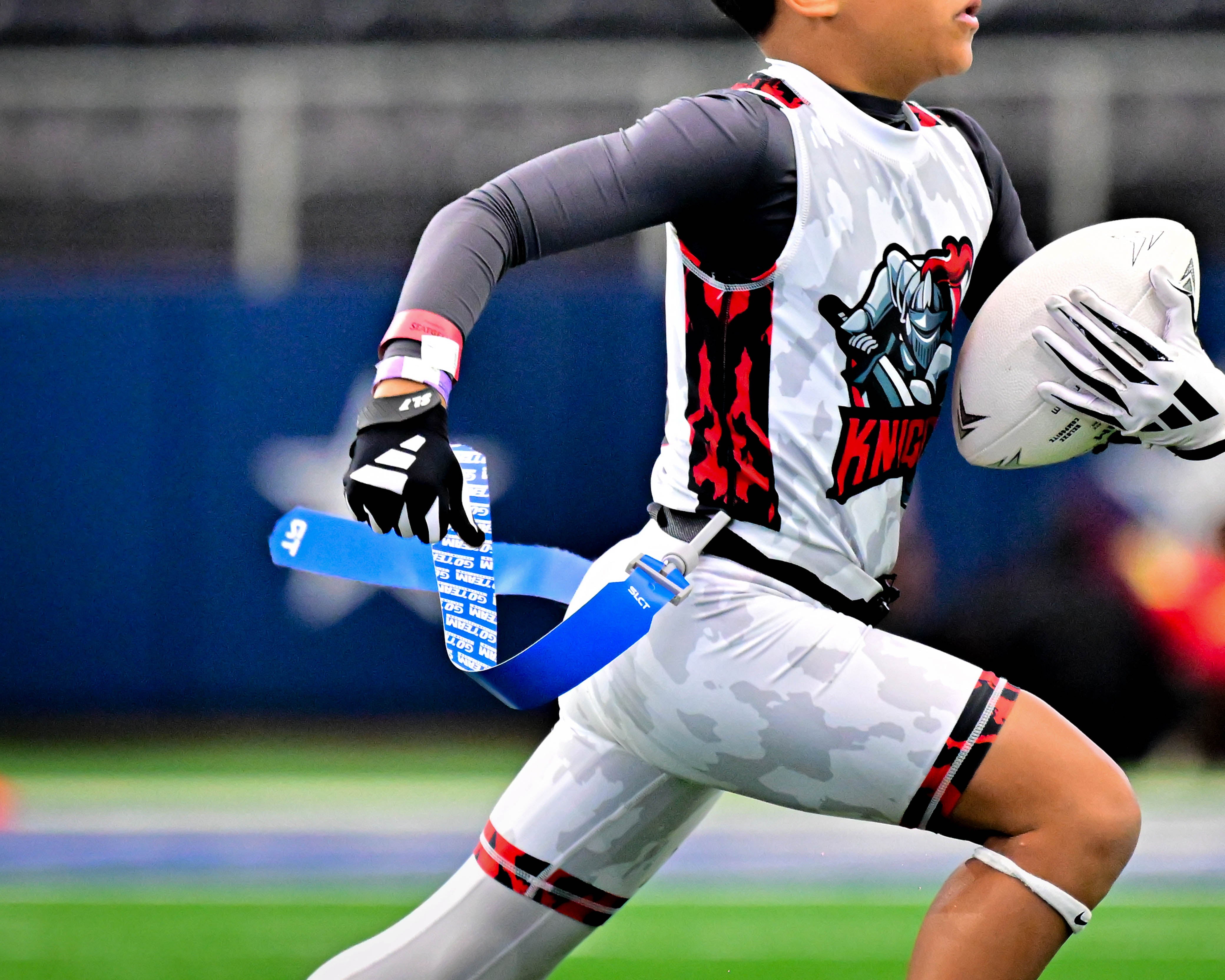
Every flag football player needs a properly fitted flag belt before they step onto the field. But when you are ordering equipment for an entire team, buying exactly one belt per player can leave yo...
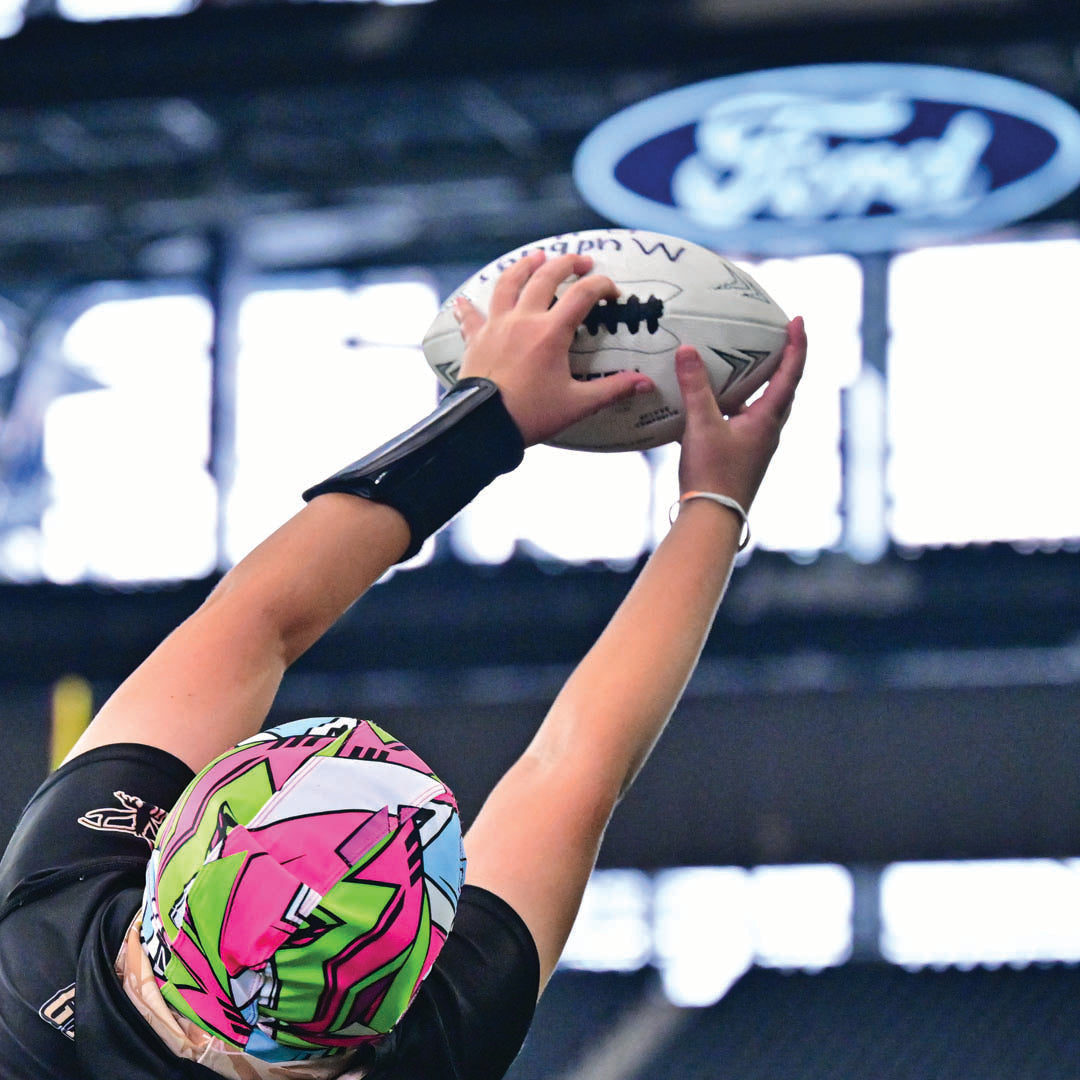
Using the right football can make a major difference for a young flag football player. A ball that is too large is harder to grip, control, and throw with proper form. A ball that is too small may ...