
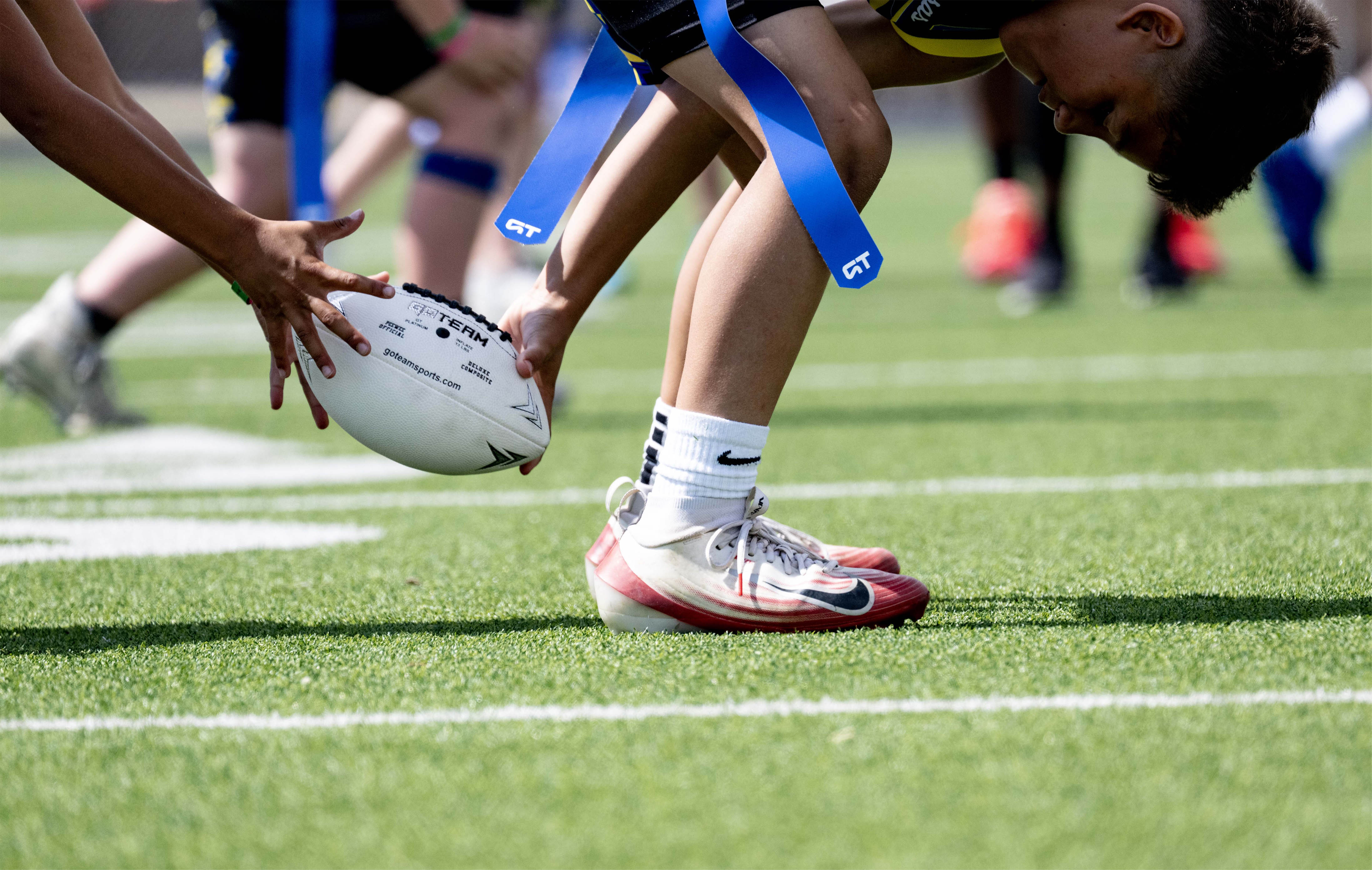
The 2026 NFL FLAG Championships just concluded
The biggest story from the 2026 NFL FLAG Championships was not only who won. It was how large, competitive and international youth flag football has become.
More than 350 girls’ and boys’ teams arrived in Westfield, Indiana, for four days of competition from July 23–26. The field included teams connected to all 32 NFL clubs, international squads from five continents and athletes competing across 13 age divisions.
The weekend ended with an overtime finish in the Girls’ High School championship and a turnover-driven victory in the Boys’ Under-14 final. For coaches, players and parents watching from home, the event offered a useful look at where the sport is heading and what teams can do now to prepare for a higher level of competition.
2026 NFL FLAG Championships: The Quick Recap
- Girls’ High School champion: Los Angeles Seahawks, 15–14 over the Austin Texans in overtime
- Boys’ Under-14 champion: Ocala Bucs, 33–21 over the New York City Ravens
- International U15 Girls champion: Mexico
- International U15 Coed champion: Canada
- Total field: More than 350 teams
- Reach: All 32 NFL clubs represented, plus 15 international squads
The NFL’s championship recap provides the final scores and defining plays, while the official NFL FLAG Championships page includes the wider event details.
1. Close Games Are Won Before the Final Play
The Girls’ High School final came down to one overtime connection. Quarterback Ava Ortman moved away from the rush and found Mya Smith for the two-point score that gave Los Angeles a 15–14 championship win.
The highlight was dramatic, but the coaching lesson is practical: teams need to practice the moments that decide close games before they reach a tournament.
Add these situations to your weekly practice plan:
- One-play conversions from different distances
- Two-minute and final-possession offense
- Red-zone routes against limited space
- Quarterback movement when the first read is covered
- Sideline communication after a timeout
- Defensive calls for protecting a one-point lead
A team does not need a huge playbook for these situations. It needs a small number of calls that every player understands and can execute under pressure.
2. Defense Can Change a Tournament in Two Plays
The Ocala Bucs created separation in the Boys’ Under-14 final with two interceptions returned for touchdowns. Those defensive scores helped turn the game into a 33–21 championship victory.
Flag football is often marketed through speed, passing and highlight catches, but tournament teams cannot treat defense as the part of practice that happens after the offense is finished.
Competitive defenses should spend time on:
- Reading the quarterback without abandoning zone responsibility
- Breaking on short throws under control
- Communicating route combinations before receivers cross
- Turning interceptions into organized returns
- Pulling flags in space after the catch
- Responding quickly after a sudden change of possession
One clean flag pull can prevent a touchdown. One well-read pass can create one. The championship result was a reminder that defensive technique deserves the same repetition as route running and quarterback work.
3. Girls’ Flag Football Is a Main Event
The Girls’ High School division was not treated as a side attraction. ESPN’s coverage followed the tournament from the Round of 16 through the championship, and the final delivered one of the weekend’s most memorable finishes.
That visibility matters. Younger players can see a competitive pathway in front of them, while school programs have another reason to build girls’ teams with the same planning, coaching and presentation expected from any serious sport.
For a new or growing girls’ program, that means thinking beyond simply finding enough players. A strong foundation includes:
- A consistent practice schedule
- Position development for quarterbacks, receivers, centers, rushers and defensive backs
- Uniforms and flags designed for the team rather than borrowed from another program
- Clear expectations for tournaments, travel and player availability
- Film or highlight clips that help players track their progress
The national stage is becoming more visible. Local programs should be built as if their athletes may eventually want to reach it.
4. Youth Flag Football Is Already Global
The 2026 field included 15 international squads spanning five continents. Mexico won the International U15 Girls title, while Canada claimed the International U15 Coed championship.
This is more than a participation statistic. International competition introduces different offensive concepts, defensive approaches and styles of play. It also raises the standard for teams that want to compete outside their local league.
NFL FLAG reports that more than 20 million people play flag football across more than 100 countries. With the sport preparing for its Olympic debut in Los Angeles in 2028, today’s youth athletes are entering a game with a much wider future than the one previous generations knew.
Coaches can prepare players for that future by teaching adaptable concepts instead of building an offense around one athlete. Teams travel better when every player understands spacing, timing, substitutions and more than one position.
5. Tournament Readiness Includes the Equipment
Strategy decides games, but poor equipment preparation can create distractions before the opening snap. Coaches should know exactly what is in the team bag and test it before leaving for an event.
For a 10-player team preparing for 5-on-5 competition, a practical tournament setup includes:
- 10 complete flag belt sets, plus two to four tested backups
- One age-appropriate game football and at least two practice balls
- Numbered team uniforms with pocketless bottoms
- Flags that contrast clearly with the players’ shorts
- Replacement flags, belts or poppers in a separate repair bag
- A ball pump, pressure gauge, cones and water
- A printed roster, schedule and current tournament rulebook
Rules and approved equipment can vary by league or event, so always confirm the current requirements before ordering or traveling.
How to Make Your Flag System Tournament-Ready
A flag belt should release consistently when pulled and not fall off during normal movement or require excessive force to remove. Before every tournament, inspect each player’s complete setup rather than checking only the spare equipment.
- Match every belt with the correct flags and attachment system.
- Test every pull point by hand.
- Remove frayed flags, cracked parts and unreliable belts.
- Confirm that every flag is visible against the uniform bottoms.
- Pack complete backups where a coach can reach them quickly.
The GT SLCT Flag Belt Set is available as a single set or a 10-piece team option. Programs looking to match their identity can also build custom team flags with their own colors and logo.
Use the Right Football for the Division
Ball size affects grip, control and confidence, especially for younger quarterbacks and receivers. Do not assume that one football works equally well across every age group.
GT’s White Football is available in Mini, Peewee, Junior, Youth and Pro sizes. Confirm the correct size with your league or tournament, then practice with the same size your team expects to use in competition.
Bring more than one ball to practice. Quarterbacks, centers and receivers develop faster when multiple groups can work at the same time instead of waiting for the only football on the field.
Build a Team That Looks and Plays Prepared
Matching uniforms do more than improve photos. Clear numbers help coaches organize substitutions, while coordinated tops, bottoms and flags give the team a consistent game-day setup.
GT’s custom flag football team packages can combine uniforms, custom flags and a game-ready football for programs ordering for 10 or more players.
Choose uniform and flag colors together. The flags should stand out clearly from the shorts so defenders, officials and spectators can see the pull.
What the 2026 Championships Mean for Next Season
The 2026 NFL FLAG Championships showed a sport getting bigger without losing the qualities that make it exciting: close games, fast decisions, momentum-changing defense and meaningful opportunities for girls and boys.
For coaches, the next step is straightforward. Practice the situations that decide close games, give defense real development time, prepare every player for more than one role and remove equipment problems before tournament day.
Read more
The first week of school is not the time to discover that half your flag belts are missing, the footballs are the wrong size or every cone somehow ended up in another equipment closet. Whether you...
August practices in Texas have always required coaches to take heat seriously. Beginning with the 2026–27 school year, that responsibility now includes a mandatory statewide monitoring standard for...